

When Tomodachi Life: Living the Dream launched, social media exploded with hilarious clips, cursed Mii creations, and bizarre interactions between characters who would ordinarily never get along. TikTok, Reddit, and YouTube Shorts became filled with chaotic videos that made the game look endlessly entertaining.
But now that the game has been out for over a month, I wanted to sit with my thoughts awhile before reviewing it. I didn’t want to judge the game based purely on that initial excitement and entertainment. I wanted to know whether this would become a long term game for me like Hello Kitty: Island Adventure or Disney Dreamlight Valley, or if it was one of those games where watching other people play ends up being more fun than actually playing it yourself.
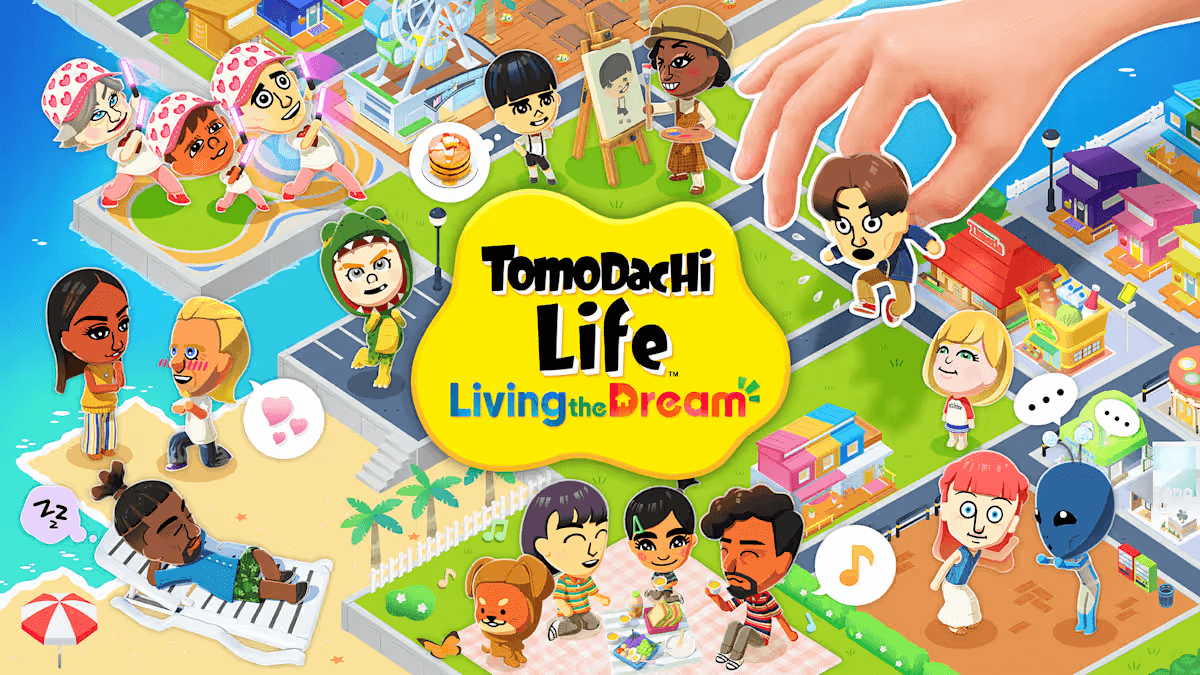
My Thoughts As A First Time Tomodachi Player
I never played the original 3DS version of Tomodachi Life. I had no nostalgia attached to it, no expectations, and no emotional connection to the franchise going in. And I feel like this is important to mention because some of the criticism I’ve seen of the game relates to how fans of the original are disappointed with missing features here that the 3DS had.
I also think a huge part of this game’s popularity is tied to the fear of missing out (FOMO), something I admittedly fall victim to pretty easily. Seeing everyone online create sitcom casts, anime rivalries, or horrifying celebrity Miis make the game feel endlessly creative and chaotic.
But there are certain games where the idea of the experience can feel more exciting than the actual gameplay itself, and that’s what I wanted to figure out with Tomodachi Life: Living the Dream.
Initial Excitement
I played the demo before purchasing the full game, and I was immediately obsessed. The nicknames, the completely unfiltered custom lingo, and the weird conversations between Miis genuinely made me laugh out loud while watching digital versions of people I know interact with each other.
That excitement carried over into the full release too.
During those first few days, the game constantly feels like it’s rewarding you with something new. Features unlock rapidly, events happen all the time, and there’s always another interaction or mini game waiting around the corner. You want to see how your Miis react to each other and how you can customize their personalities.
That early-game experience is genuinely strong.
What About When There’s Nothing Else To See?
Eventually though, the repetition starts becoming impossible to ignore.
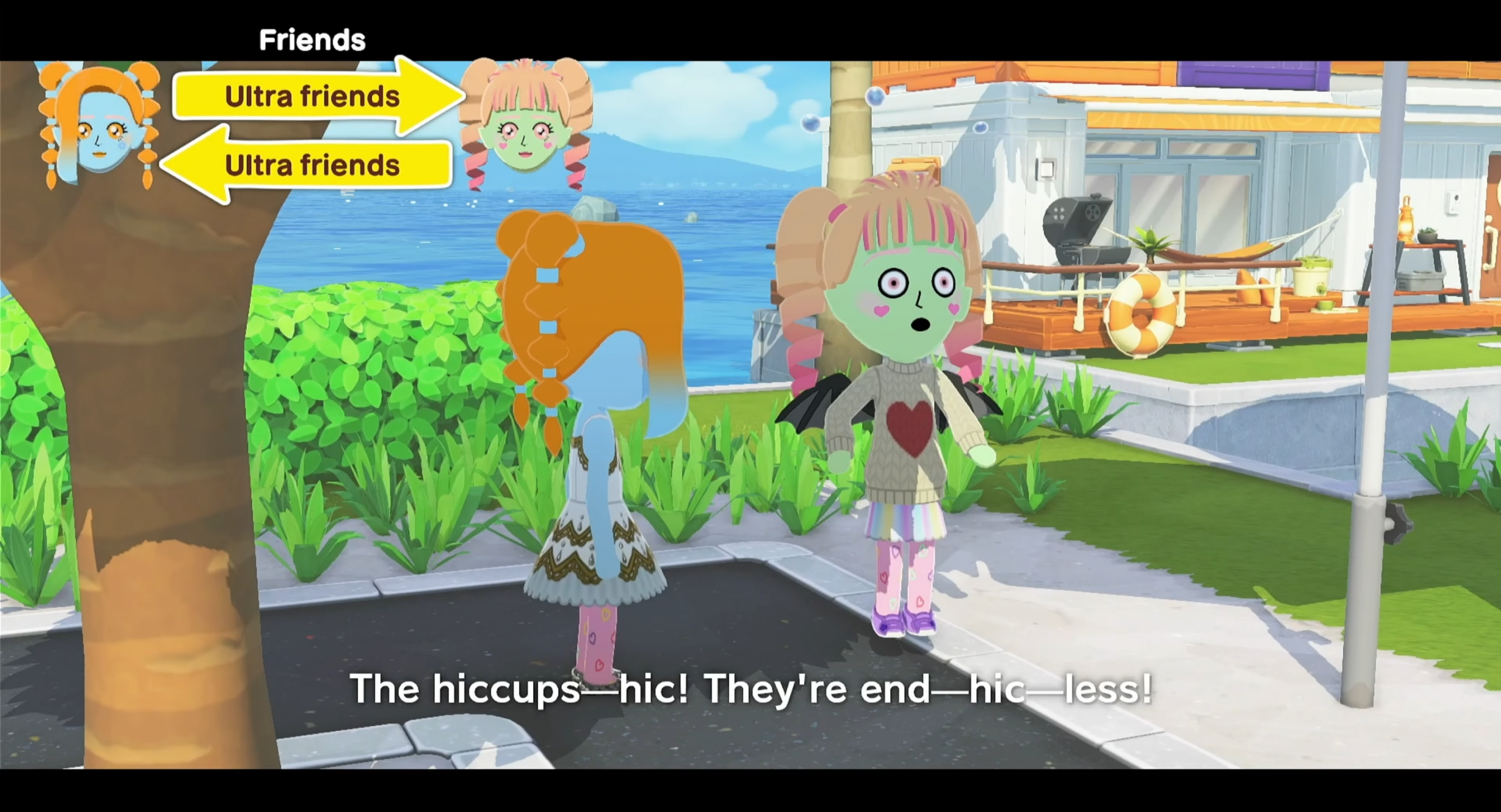
Scenes begin repeating. Your Miis get hiccups for the third time that day. Someone falls over again. The mini-games repeat. The rewards repeat. The dialogue starts becoming recognizable and same-y.
And suddenly, that surprise and delight, which is the entire foundation of the game’s humor, begins wearing off.
You realize you can pretty comfortably experience everything you need to do in the game in about 10 minutes per day.
To be fair, I already knew this wasn’t supposed to be a game you play for hours. It’s not designed like a life sim with deep progression systems, and it’s not really a game you “complete.”
It’s a dollhouse. A charming, chaotic, occasionally hilarious digital dollhouse.
And I think the people who will truly adore this game are the ones who naturally create stories in their heads while playing. Players who enjoy inventing relationships, imagining drama, and projecting personalities onto their characters will probably get significantly more longevity out of the game than I did.
I Wish The Island Felt A Little More Alive
My biggest criticism of Tomodachi Life: Living the Dream is that the world doesn’t feel autonomous enough.
I didn’t expect endless quests or complex gameplay systems, but I did expect the island to continue evolving when I wasn’t actively playing.
I wanted to log in and discover that things had happened organically while I was away, like Miis arguing with each other, unexpected friendships forming, new crushes developing, gossip spreading around the island, or relationship drama unfolding naturally.

There is occasionally a news broadcast system mechanic, but most of the segments are joke skits rather than meaningful updates about your actual island dynamics.
Imagine how much more alive the game would feel if you logged in and saw updates like “these two Miis spent the entire day together,” “this Mii annoyed everyone today,” or “these islanders got into a fight while you were away.”
Instead, if you create a brand new Mii and leave them alone, they don’t build relationships organically unless you manually encourage interactions yourself.
That feels like a huge missed opportunity. Because if the game is intentionally built around short daily sessions, then the island itself needs to feel active and evolving without constant player involvement.

Customization Is Incredible – If You’re Creative
One area where Tomodachi Life: Living the Dream absolutely excels is in customization.
The face paint system, freeform design tools, and overall character design options are impressive. You can create almost anything if you’re willing to put the time into it.
For players who love creating and decorating in games, I can absolutely see this becoming an endless sandbox. If you love designing characters, creating outfits, building fictional universes, or inventing stories in your head, this game probably has near unlimited value for you.
But personally, I’m not someone who primarily enjoys decorating or aesthetic focused gameplay. So while I appreciated the depth, it wasn’t enough to carry the experience for me.
Traits And Personalities Feel Too Safe
Miis do technically have personality traits, but I wanted them to matter more.
For example, I gave two Miis the “fashionista” trait, and they actually changed outfits more often and mixed clothing styles. That was a really cool detail. But most traits don’t feel impactful enough.
I wanted stronger quirks and more dramatic personality systems, like a Mii who constantly lies, someone overly dramatic, a troublemaker who starts arguments, or a character who annoys everyone around them. Rivalries that naturally develop over time would have made the island feel more dynamic.
And right now, friendship feels far too easy. I have around twenty Miis with wildly different personalities, and almost nobody genuinely dislikes each other. There’s very little tension, drama, or unpredictability.
The game desperately needs stronger social systems to keep interactions interesting over time.
Social Media Might Be More Fun Than the Actual Game
Going back to that original FOMO thought, I think Tomodachi Life: Living the Dream is made for short form content.
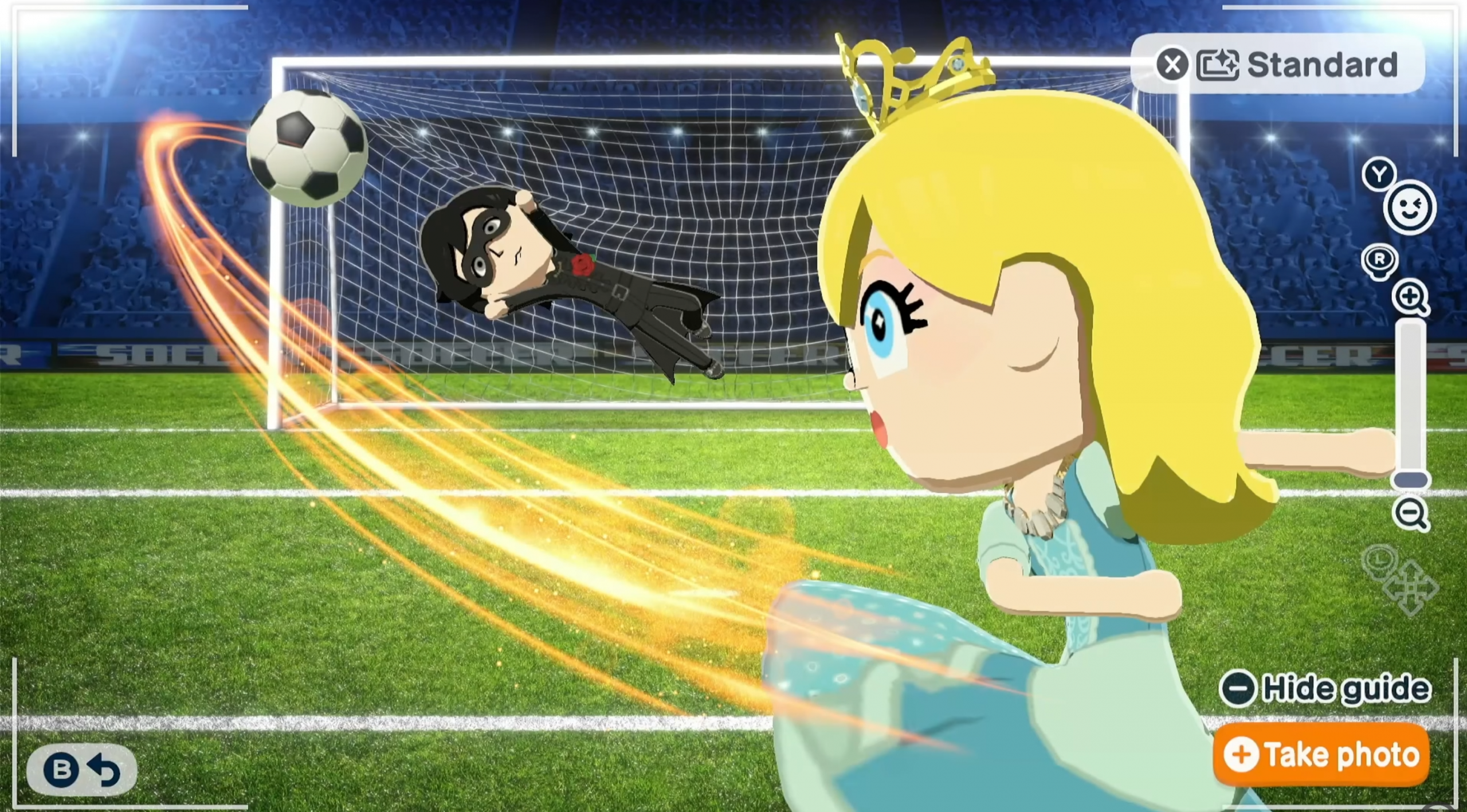
Watching someone online create horrifying or extremely realistic Miis or seeing two fictional enemies suddenly become best friends is hilarious. And honestly, the online community and sharing surrounding the game may actually be one of its best features.
But the highlight reel doesn’t always reflect the actual gameplay experience, especially if you’re someone like me who might accidentally be buying into the vibe more than the game itself.
So, Is Tomodachi Life: Living the Dream Worth $60?
Do I regret buying Tomodachi Life: Living the Dream?
No.
I genuinely had a fun time with it during those first several days, and I understand why so many people love it. But personally, was it worth $60 USD? For me, probably not.
If you:
- Prefer deep progression systems
- Need gameplay variety
- Want autonomous social simulation mechanics
- Enjoy long gaming sessions
- Need constant gameplay goals
…then I would hesitate recommending this game to you.
However, if you:
- Love character creation
- Enjoy storytelling in your head
- Have a vivid imagination
- Prefer shorter daily play sessions
- Enjoy creating your own fun
…then this game might be perfect for you.
Because ultimately, Tomodachi Life: Living the Dream gives players the tools to create memorable experiences, if you’re creative enough to do so.