


Rune Factory: Guardians of Azuma feels like a game that might have gotten passed over initially because of its release that was so near Story of Seasons: Grand Bazaar. Grand Bazaar was fantastic, but Guardians of Azuma could really be a hidden gem for some people; it’s definitely one of my new favorite Rune Factory games. Even though both games fall into the same genre, the gameplay experience is very different, with Guardians of Azuma offering strong story-driven features, and a pretty well thought-out combat system.
Guardians of Azuma includes almost everything you could want from a farming and life sim, while also respecting how different players like to engage with different features. You’re never forced to spend time on elements you don’t enjoy. For example, if fishing and farming isn’t your thing, you can assign villagers to take care of them for you, while still having the freedom to handle those tasks yourself if you want. As you progress far enough, your villages can become almost entirely self-sufficient, which allows you as the player to focus on whatever you want.
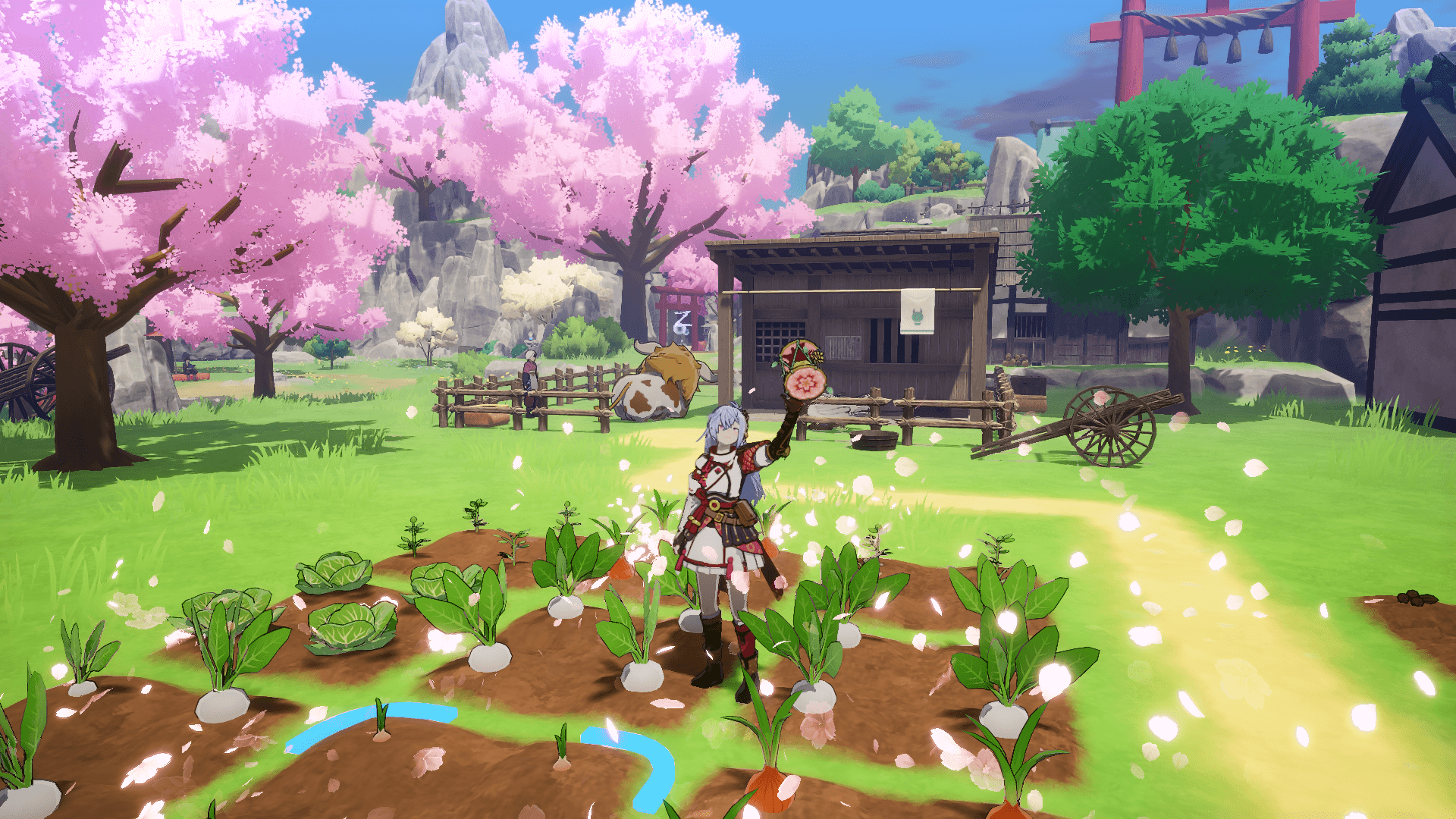
Village development itself is a major focus, allowing you to decorate the space, build homes for villagers, add shops they can work at for passive income, and construct facilities that let you upgrade gear, cook, and access other important systems. Every item or building you place also adds specific buffs to your village or your character, and there are specific bonuses you can look out for that may offer even bigger bonuses like +100HP.
One of the strongest aspects of Guardians of Azuma is its NPC relationship system, which might be one of my favorites in any life sim. Characters greet you, talk about what’s happening in the village and in the main story, and respond in ways that make them feel aware of the world around them. You can choose from a wide variety of activities to do with them to learn what they like, with some interactions unlocking specific cutscenes.
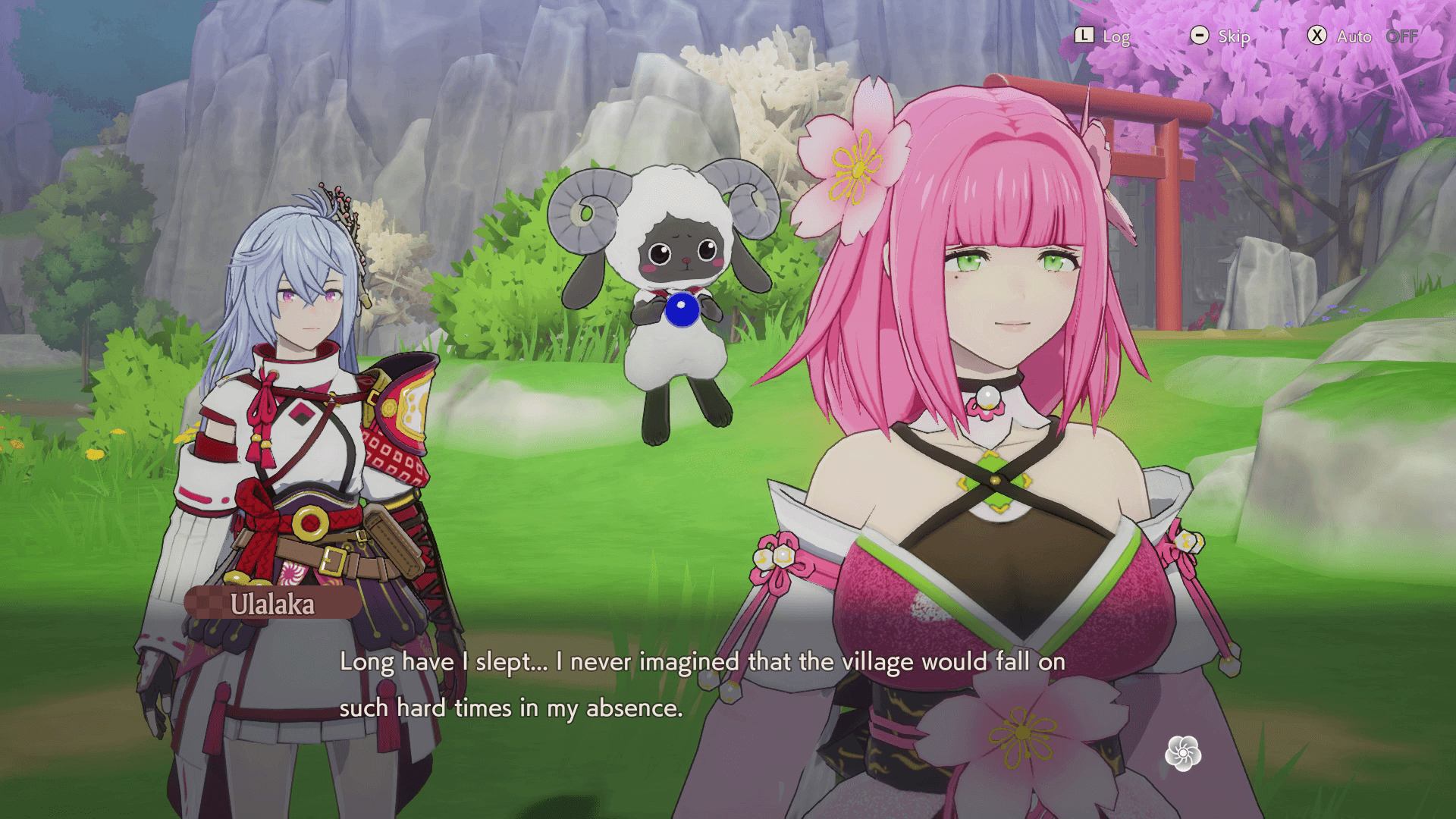
Each character has their own questlines, stories, and backgrounds that are slowly uncovered as you build your relationship, and they even interact with other NPCs during certain quests. Because of this, the characters feel much more alive, and if you enjoy romance and marriage systems in games like these, it’s a particularly strong feature here.
You can also have children, and anyone you form a bond with, including family members, can be added to your party so you can travel and participate in combat together. This allows you to create teams with different roles like buffers, debuffers, and healers. The writing is often genuinely witty, and each character has a distinct personality and way of speaking that feels unique and memorable. The game is also almost entirely voice acted as well.
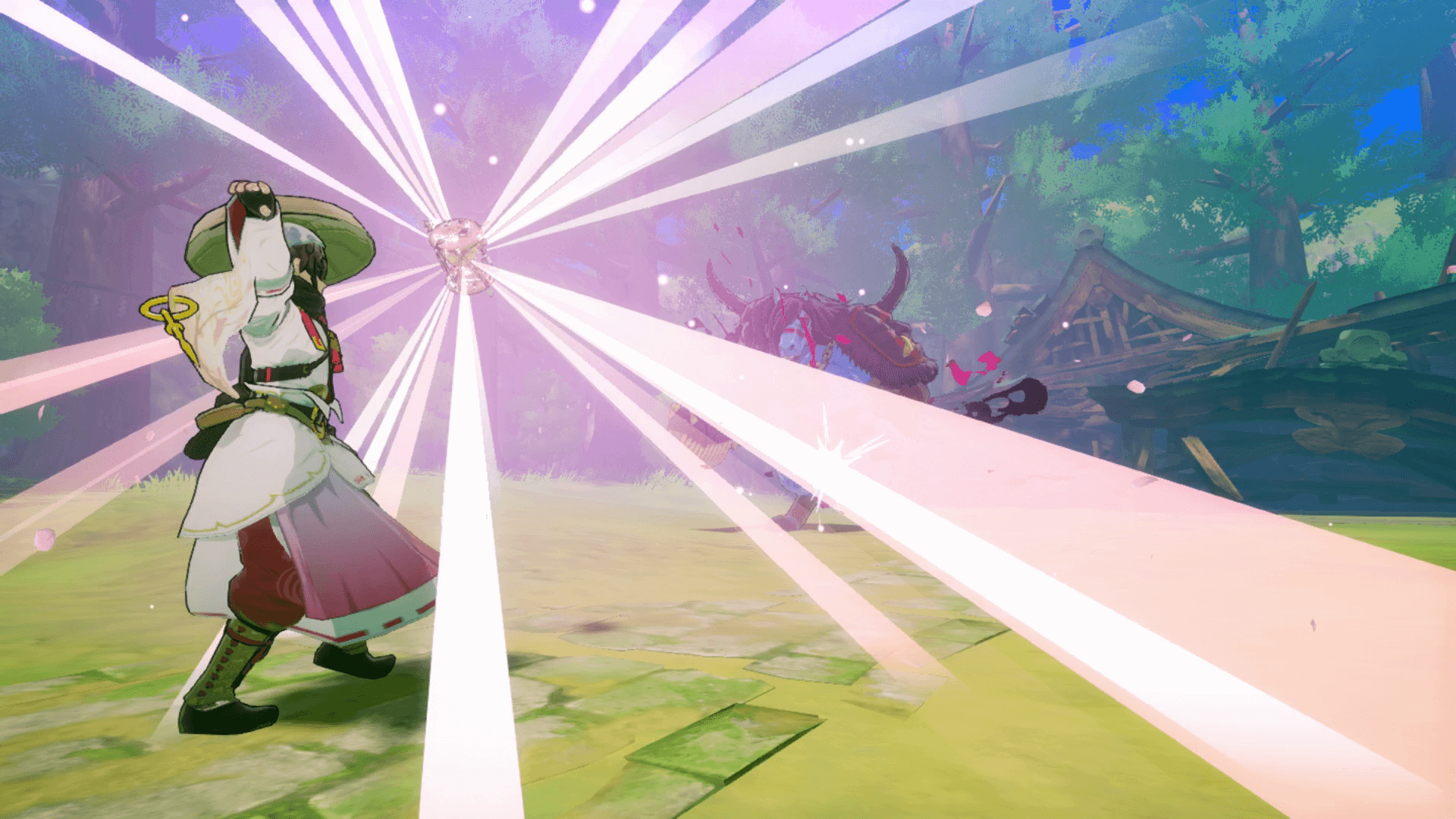
Combat is somewhat of a large part of Guardians of Azuma, and it’s enhanced by the Sacred Objects system, which acts as both your toolset and your source of special weapon abilities. This adds variety and strategy to fights, such as using a holy weapon against dark creatures that are weak to it. Switching between these objects is quick and intuitive, making combat feel smooth and even flashy.
While fighting is fast-paced, it’s not overly difficult as long as you are consistently upgrading your equipment and weapons, and for players who are less interested in fighting, there is a “Story” difficulty option. The bosses are another highlight, as each one has unique abilities and encounters that feel distinct from the standard overworld enemies, and the fights feel engaging and high stakes.
Guardians of Azuma features a prevalent story and questline, but its pacing can be uneven. Around ten to twenty hours in, the main questline can feel like it is reaching its conclusion, when in reality that section is closer to the end of the game’s introduction to its mechanics. After that point, the actual storyline and more advanced content opens up, offering what can easily be another twenty hours or so of gameplay.
If the story transition had been more seamless, I think I would have avoided the fatigue I started to feel at this point, largely because I had expected the game to be ending rather than expanding. However, if you are looking for a game with a long questline that remains fairly open ended even after the main quests wrap up, this is a bonus because it’s a game you can easily invest a significant amount of time into.
Overall, Rune Factory: Guardians of Azuma feels like an amazing step in the right direction for the Rune Factory series. While I really enjoyed the previous Rune Factory games, this entry improves on older elements while introducing fun new systems that make it feel like a fresh new take. It strikes a strong balance between honoring what longtime fans enjoy and experimenting with new ideas. Highly recommended!