

What if the games we call the greatest of all time were just the ones tied to our happiest memories? Are games actually getting worse, or are we just looking at the past through rose-colored glasses?
When I think about my own personal favorite era in gaming, I always go back to the PlayStation 2. There was an abundance of creativity and game variety that just seems lacking today. Once-in-a-lifetime franchises were being born. There were spin-offs, sequels, weird experimental games, etc. We had physical game cases with real printed booklets and video game rental stores.
All the reminiscing brought up a question I think about a lot:
Do I actually love that era because the games were better, or is it because of the memories I associate with it?
What Is Gaming Nostalgia?
Part of this question comes down to something many players experience: nostalgia in gaming.
Gaming nostalgia is the emotional connection players feel when remembering games from earlier periods of their lives. These memories are often tied to specific experiences: discovering a new game for the first time, playing with friends or family, or exploring a world that felt exciting and unfamiliar. Because memories are so personal, nostalgia can strongly influence how we remember and judge older games.
My First Gaming Experiences
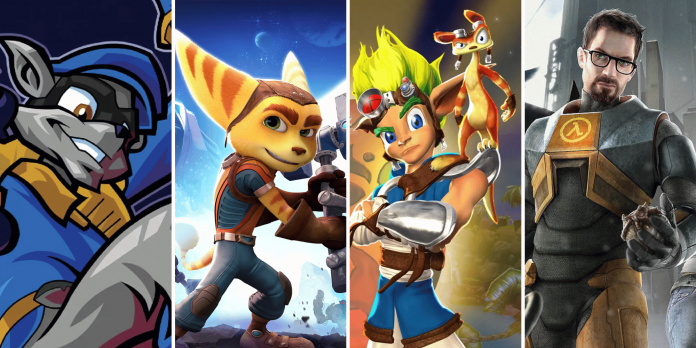
I was obsessed with games like Ratchet & Clank, Jak and Daxter, Sly Cooper, Half-Life, and even more obscure titles that some people probably have never heard of like Portal Runner, Okage: Shadow King, Metropolismania, and Xenosaga. I loved them all, and I still consider them some of my favorites even to this day.
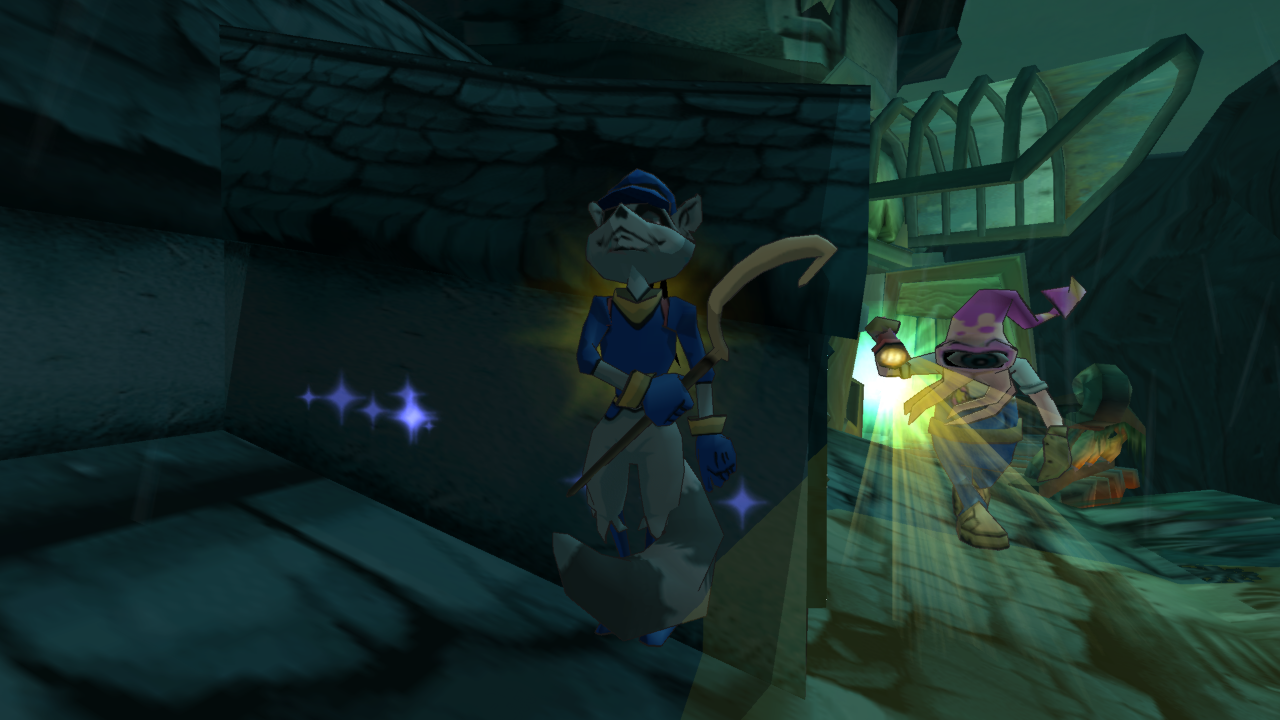
The PS2 was also the first way my dad and I bonded and were able to spend time together. We played through many of these games together. They’re connected to memories of spending time with him and having a shared hobby.
So when I remember these games as amazing, is that an objective assessment of their quality? There were thousands of game releases back then, but I personally only remember a handful. Were there actually more good games back then, or do memories simply filter out the bad ones?
Because memory is selective. Out of the hundreds of games released during that era, I only remember the ones I loved. I don’t remember the ones I never finished, the terrible movie tie-ins, or the ones I rented and returned the next day.
So were there actually more good games back then? Or does our brain eventually filter out and forget the mediocre ones and only keep the highlights?
Are we comparing the best of the past to the average of the present?
Why Do Old Games Feel Better Than Modern Games?
One of the most common debates in gaming communities is whether old games were actually better than modern ones. Some players argue that earlier games focused more on creativity, experimentation, and complete experiences without heavy monetization systems. Others believe modern games offer deeper mechanics, larger worlds, and technical improvements that older games simply couldn’t achieve.
To be fair, I do think we’re creating some modern classics right now. Games that will likely be remembered as some of the best ever made. Games like Red Dead Redemption 2, Clair Obscur: Expedition 33, Cyberpunk 2077, and Hades.
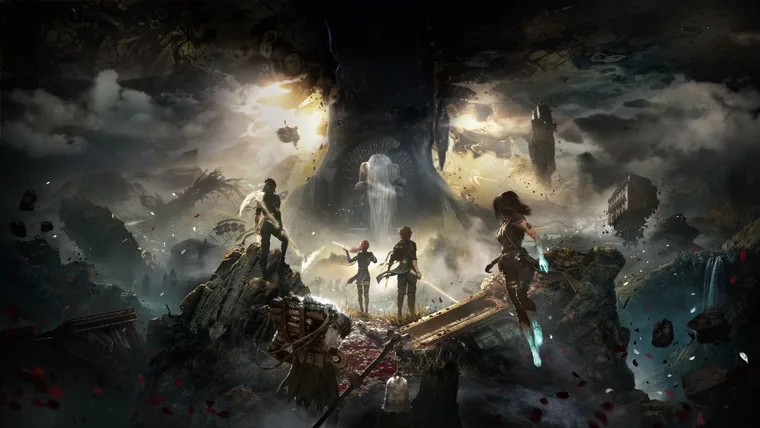
In 20 or 30 years, will those be the games people look back on with the same reverence as the ones I look back on now?
This leads to another question: Is there even such a thing as an objectively good game? One that stands up to the test of time? One that’s so good it’s immune to our subjective biases and everyone can agree it’s a good game?
Because when we talk about the greatest games ever made, that’s kind of what we’re implying: that some games rise above opinion.
I personally don’t think that’s the case, because the very nature of gaming, of enjoying something, is subjective.
Some people thought Red Dead Redemption 2 was a masterpiece. Others thought it was too slow or too drawn out.
Some people loved the turn-based combat in Clair Obscur: Expedition 33, while others disliked it because they simply don’t enjoy turn-based battle systems.
Or take Cyberpunk 2077. Some players were fully immersed in its first-person view, while others disliked it specifically because it was first person.
Same game, completely different experiences.
So if enjoyment itself is subjective, how can a game ever be objectively good?
Your Experience Is Distinctly Tied To You
The way players interact with games can also shape how we remember them. I explored a similar idea when discussing how completionist playstyles can sometimes change our relationship with games in The Persona Paradox: Does Completionism Ruin the Fun?
Maybe there are objectively strong elements like cohesive design, polished mechanics, thoughtful storytelling, etc. but whether those elements resonate with you is an entirely different story.
It’s personal.
And so nostalgia becomes even more powerful, because now it’s not just about whether a game was good. It’s about whether it felt meaningful to you at a specific moment in your life.
And sometimes that matters more than technical quality ever could.
Some developers and games even cater specifically to this feeling and to our nostalgia.
Think about how many modern games today are inspired by older games and gaming eras. Pixel games, turn-based games, retro remakes… entire games designed to feel like the ones we grew up with.
Games like Stardew Valley and Sea of Stars don’t just exist randomly. They exist because they’re chasing a feeling: comfort, familiarity, a sense of discovery.
Sometimes nostalgia becomes part of the creative process. It influences what gets made, what gets funded, and what becomes popular.
On the flip side, if we’re constantly looking back to recreate those feelings, does that hinder innovation? Or is nostalgia actually what pushes us forward by reminding us what made games meaningful in the first place?
The Psychology of Nostalgia in Gaming
Psychologists often describe nostalgia as a powerful emotional response tied to memory and identity. When we remember something nostalgic, we aren’t just recalling the event itself, we’re remembering how that moment made us feel. In gaming, this means that a game associated with positive memories can feel more meaningful than a technically better game played years later.
I also wonder if we’re just more critical in the moment. When a new game comes out, do we subconsciously compare it to the games we played and loved in the past?
Because those games aren’t just games anymore. They’re part of our identity. They’re connected to who we are, how we felt, and the people we played with.
Is there a difference between how a game felt and how it actually played?
Because when we think back, we’re not only remembering mechanics or graphics, we’re remembering the feeling that game gave us.
This is where the “they just don’t make games like they used to” argument probably comes from.
But is it a fair comparison?
At the same time, there are real criticisms of games today. We’re seeing more copy-and-paste trends, more monetization and microtransactions, and more games designed primarily for profit.
Franchises like Assassin’s Creed and Call of Duty release very similar experiences year after year.
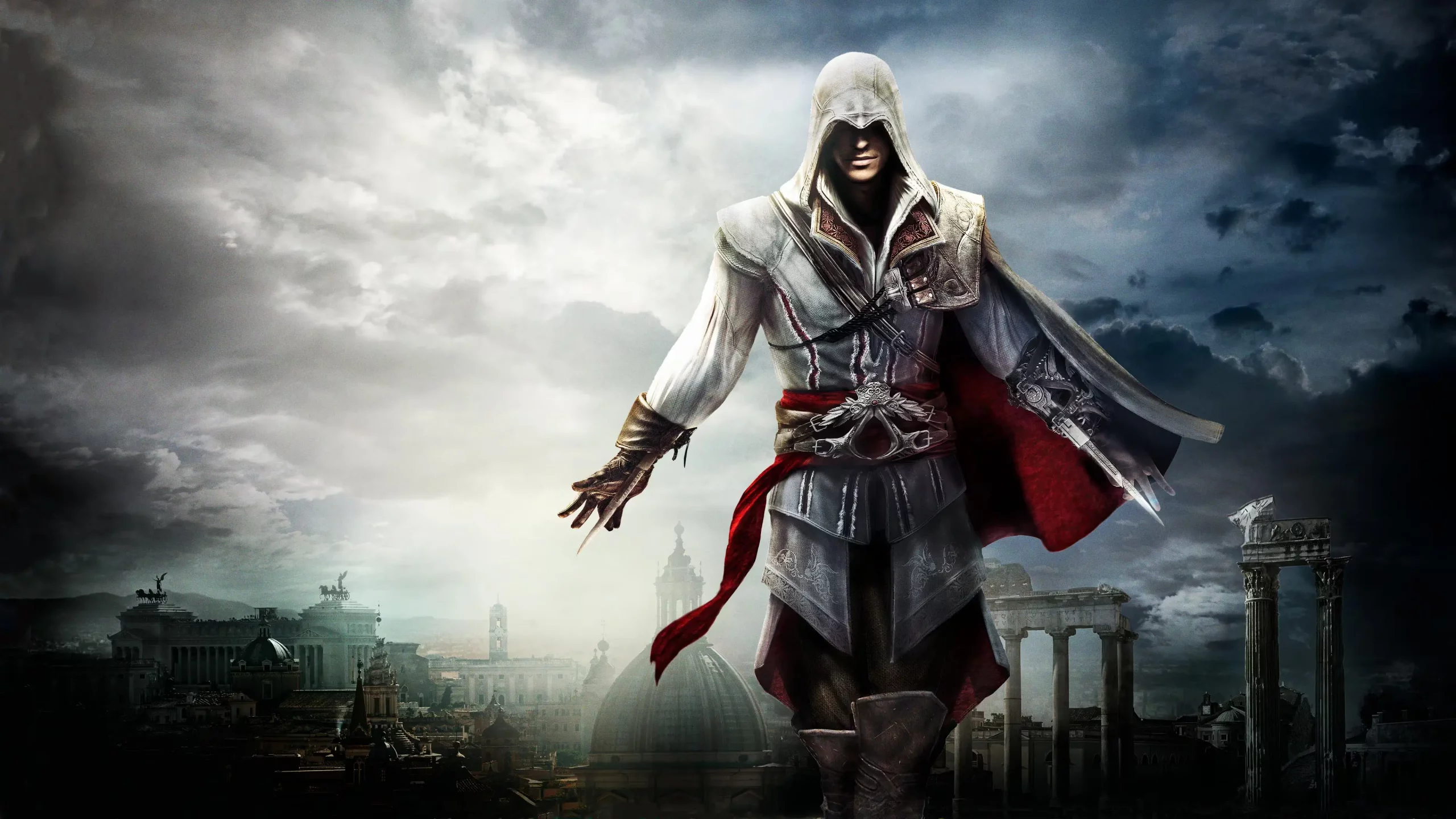
So it’s easy to look at that and say “they just don’t make games like they used to.”
But will we forget all of that and look back on this era with the same fondness once enough time has passed?
Will we only remember the standouts from this decade?
If that’s the case, maybe gaming isn’t getting worse.
Final Thoughts
Gaming itself is still a relatively young medium, so maybe every era feels special in hindsight. Maybe the games that stand out aren’t the ones we can’t compare to anything else yet, and once enough time passes, those become the games we remember and love.
I don’t have a definitive answer or a really strong opinion about whether games were better back then or if it’s just nostalgia. I’m not saying games today are worse, and I’m not saying the past was better.
But I do think nostalgia is a powerful filter.
Maybe every generation of gamers feels this way about their original gaming experiences, and the cycle will just continue, because the best games won’t be the ones trying to recreate our childhood, but the ones creating someone else’s.
I want to know what you think.